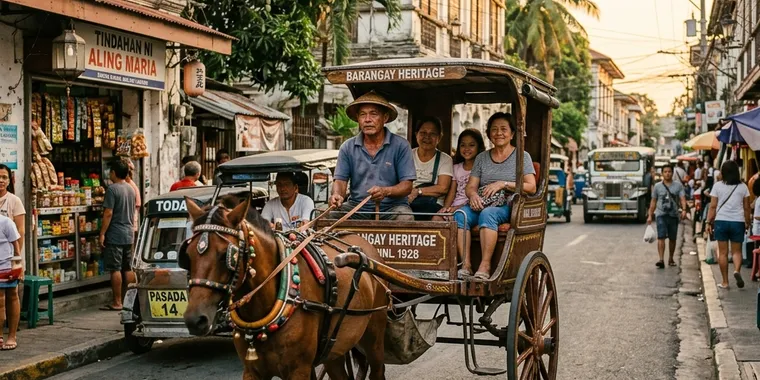
Riding the Tartanilla in Barangay Tambacan, Iligan City
In Iligan City there is a place where things are really slow. This place is called Barangay Tambacan. When it is time to go to work or school in the morning you do not hear the noise of a jeepney horn or a motorcycle engine. Instead you hear the sound of horses walking on the road and the noise of the chains on the horse carriage. This is because of the tartanilla, which’s a carriage that horses pull. The tartanilla is still used today even though many things have changed and become modern. It is very important, for the people who live in Barangay Tambacan. They use it every day. The tartanilla is a thing that has not changed even though everything else has. The people of Barangay Tambacan still ride in the tartanilla. It helps them get where they need to go.
A Living Relic in a Modern World
The tartanilla—known as kalesa in other parts of the Philippines—is a two-wheeled carriage drawn by a single horse, introduced during the Spanish colonial period in the 18th century. What was once the “king of the road” and a luxury reserved for nobles and officials has now become a rare sight across the country. Yet Iligan City stands as one of the few places in the Philippines—and the only place in Mindanao—where tartanillas still regularly ply the streets.
But here’s what makes Barangay Tambacan truly special: the tartanilla here isn’t a novelty ride dressed up for tourists. It’s not a heritage exhibit parked in a museum or a prop for festival parades. It is, quite simply, how people get around. The tartanilla serves a specific route between Barangay Pala-o and Barangay Tambacan, connecting residents to markets, schools, and the daily rhythms of life. While visitors and tourists are certainly welcome to hop aboard for the experience, the primary passengers are locals going about their everyday business. In a country where traditional horse-drawn carriages have largely been relegated to tourist zones, Tambacan’s tartanilla remains a working-class hero.
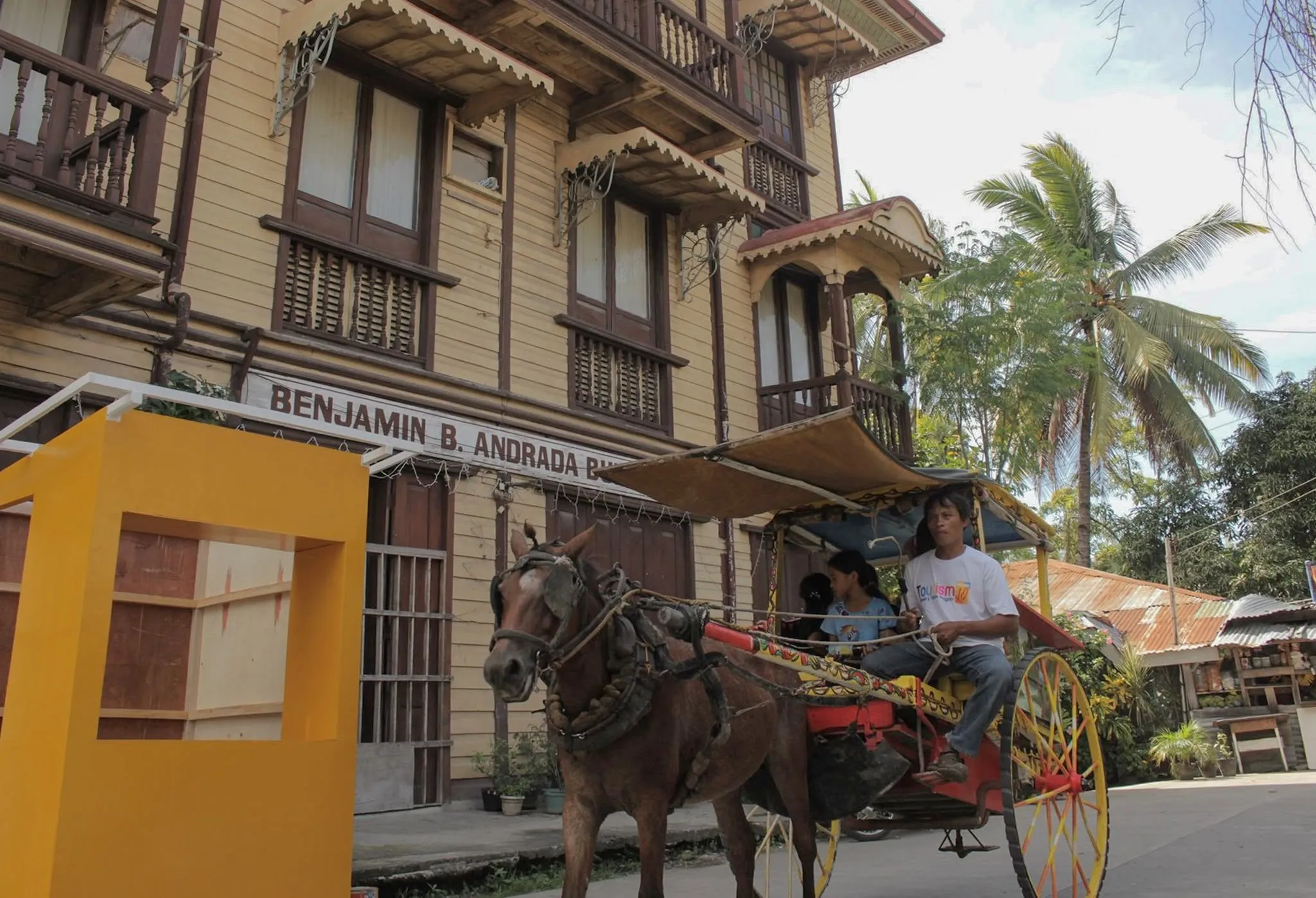
Photo courtesy of Lone District of Iligan City (Facebook)
Five Pesos and a Step Back in Time
The tartanilla is really something. One of the surprising things about the tartanilla is the cost to ride it. You can ride the tartanilla for five pesos, which is about 10 US cents. The tartanilla is an affordable way to get around. Some people say the cost can be a little different depending on where you’re going and some rides might cost around PHP 10.. The tartanilla in Tambacan is known for being very cheap. This is even cheaper than the cost to ride a jeepney in many cities in the Philippines.
For the people who drive the tartanillas called kutseros the tartanilla is not something they drive. The tartanilla is a part of their life. These drivers have been doing this job for a time and they are a part of a tradition that is slowly disappearing. This tradition connects the city of Iligan to its past. The tartanilla drivers take people from Badelles Street to Tambacan Road, which’s a special route just, for the tartanillas. When you ride the tartanilla you get to see the city at a pace and it is a very nice way to get around. The tartanilla is a way to see the downtown area of the city.
Echoes of Tradition Across the Philippines
Barangay Tambacan is not entirely alone in keeping this tradition alive, though it is increasingly rare. In Cebu City, tartanillas can still be found along Leon Kilat Street, shuttling passengers from Colon to Barangay Pasil for fares ranging from PHP 10 to PHP 20. The Cebu City government has even launched initiatives alongside the Philippine Department of Tourism to promote and preserve these horse-drawn carriages as cultural heritage.
Further north, in Tuguegarao City, the kalesa has been a vital mode of transportation since the 1920s, connecting remote barangays to the town proper and enabling access to markets, schools, and churches. The city honors this legacy through the Pavvurulun Afi Festival, which pays tribute to the iconic carriage.
In Marinduque’s Gasan town, the kalesa is celebrated through the “Kalesayahan” festival—a portmanteau of kalesa and kasiyahan (pleasure). Even in far-flung barangays like Danicop in Catanduanes, the kareta (a similar horse-drawn cart) remains a primary means of transporting goods. For visitors exploring regional transport options across the country, check out our guide on best stargazing spots.
Yet what sets Tambacan apart is the sheer ordinariness of its tartanilla. In many of these other places, the horse-drawn carriage has become a tourist attraction or a festival prop. In Tambacan, it’s just Tuesday. It’s the ride that takes you to the market, to work, or back home after a long day. It’s not heritage tourism—it’s heritage living. You can learn more about local civic heritage on the official Iligan City Government portal.
Why It Matters
In a country where a lot of people are moving to cities the tartanilla of Barangay Tambacan is something that people really value: it has been around for a time. This is a reminder that we can make progress without getting rid of the things. The same roads where we see vans and motorcycles are also used by the tartanilla, which is a horse-drawn carriage that moves slowly. The tartanilla does not try to be better than the things it just exists together with them and it gives people another choice that is good for the earth easy to use and very much about people.
For the people who live in Tambacan the five peso fare to ride the tartanilla is not just cheap it is also a way of saying something. At a time when fuel prices continue to rise, it says that we do not have to spend a lot of money to keep our traditions. The old ways can still be useful in the world and the tartanilla is a good example of this it moves one step at a time with the sound of the horses feet, on the ground.
A Ride Worth Taking
If you are ever in Iligan City go to Barangay Tambacan. Do not take a taxi. Do not ride a habal. Get on a tartanilla instead. Pay five pesos. Sit on the wooden seat. You will feel the tartanilla moving back and forth. Listen to the sound of the horses hooves. Watch the city at a slow pace. It is very relaxing. You are not just riding a tartanilla you are doing something that people have been doing for a long time.
In Barangay Tambacan the tartanilla is not something from a time ago. It is something that people use today. The tartanilla is what makes Barangay Tambacan special. Long as the kutseros drive their tartanillas and people ride on them the tartanilla will keep being an important part of Barangay Tambacan. The tartanilla will be around, for a time.