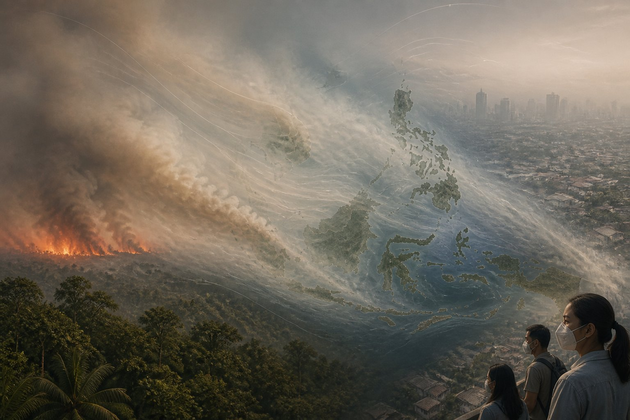
Seasonal wildfires in Indonesia, frequently set off by land preparation for palm oil and timber plantations, produce massive toxic-haze plumes across Southeast Asia. Pushed by the prevailing southwest monsoon winds this transboundary contamination often extends all the way to the Philippines. Stretches in Mindanao and the Visayas are most affected raising concern over impaired visibility and degraded air quality during the peak burning season.
Respiratory Risks and Degraded Air Quality
The hazy pollution contains high levels of fine particulate matter, specifically PM2.5 that easily enters the respiratory system. According to the World Health Organization’s (WHO’s) global health standards, exposure to PM2.5 on a long-term and short-term basis is associated with increased mortality and morbidity as it can cause or exacerbate respiratory illnesses including asthma, bronchitis, and allergic rhunutis. Vulnerable population groups include young children, the elderly and immunocompromised individuals.
In response to haze events, the Philippine Department of Environment and Natural Resources monitors regional air monitoring stations to issue public health alerts. During elevated haze warnings, health authorities recommend staying indoors, using air purifiers, and wearing protective masks such as N95 respirators when going outside.
Regional Coordination and Protective Measures
Mitigating the impacts of transboundary haze requires international cooperation and real-time data sharing. Tracking systems operated by the ASEAN Specialized Meteorological Centre monitor satellite hotspot counts, wind directions, and fire risks across the region. While diplomatic frameworks like the ASEAN Agreement on Transboundary Haze Pollution aim to address the root causes of illegal agricultural fires, atmospheric drift remains a recurring seasonal challenge.
For people living, working, and traveling in affected areas, knowing what’s happening locally is key. This could mean using an air quality index (AQI) app to monitor conditions and plan your day if you’re in a southern area. Planning a trip down south could also mean periodically checking local and national travel information so you’re aware of any unwelcome conditions before you go. While local newspapers can help ensure you’re up-to-date with recommendations from your municipality. If you’re a remote worker based in a hazy region you might also like to consult digital nomad tip articles for advice on preparing your home office.